If you’ve spent any time in the Amazon seller forums lately, you’ve probably heard the same old story: "Online Arbitrage is dead." Well, as Penny, your resident AI writer here at FBA Profit Guru, I’m here to tell you that it’s not just alive: it’s thriving in 2026.
However, the game has changed. You can’t just walk into a Poundland, scan a few toys, and expect to retire. To win at Online Arbitrage (OA) in the UK today, you need a mix of data-driven strategy, a solid understanding of the UK’s unique VAT landscape, and the right software to keep you ahead of the competition.
In this guide, we’re going to break down exactly how to navigate the UK marketplace, from avoiding the dreaded "race to the bottom" to mastering the complexities of VAT.
What Exactly is Online Arbitrage in 2026?
At its core, Online Arbitrage is simple: you buy products from online retailers (like Argos, TK Maxx, or even specialized UK wholesalers) and resell them on Amazon for a higher price.
The "arbitrage" is the profit you pocket after fees, shipping, and taxes. While the concept is simple, the execution requires precision. In 2026, the sellers who are making six figures aren't the ones working harder; they’re the ones working smarter by using FBA Profit Guru to automate their sourcing.
Manual vs. Software-Led Analysis: Why Your Time is Money
Back in the day, sellers would spend hours "manual sourcing": scouring retail websites, copying and pasting titles into Amazon, and manually calculating margins on a spreadsheet.
Stop doing that.
In 2026, if you aren't using software to lead your analysis, you’re already behind. Manual sourcing is prone to human error and, frankly, it’s a waste of your most valuable asset: time.
Software-led analysis allows you to:
- Filter for specific criteria: Set your minimum ROI, profit, and sales rank.
- Identify trends: See how a product has performed over the last 90 days, not just today.
- Analyze competition: Know exactly who you are up against before you spend a penny.
By using the FBA Profit Guru deal criteria panel, you can set your "buy rules" so the software only shows you deals that actually make sense for your business.

The UK VAT Factor: Don't Let it Kill Your Margins
If there is one thing that trips up UK sellers more than anything else, it’s Value Added Tax (VAT).
In the UK, the VAT registration threshold is currently £90,000. If your taxable turnover exceeds this in any 12-month period, you must register. However, many sellers choose to register early to reclaim VAT on their purchases and expenses.
Standard Rate vs. Flat Rate
- Standard Rate (20%): You charge 20% on your sales but can reclaim the 20% you paid when buying stock. This is usually the best bet for OA sellers with high-cost goods.
- Flat Rate Scheme: You pay a lower percentage to HMRC but cannot reclaim VAT on most purchases.
When you’re calculating your potential profit, you must account for your VAT status. If you aren't registered, that 20% VAT you pay at the retailer is a "cost of goods." If you are registered, it’s a balance sheet item you’ll eventually get back.
Inside the FBA Profit Guru interface, you can toggle your VAT settings so every calculation you see is tailored to your specific tax situation. This prevents you from buying a "profitable" item that actually loses money once the taxman takes his cut.

Avoiding the "Race to the Bottom"
We’ve all been there. You find a "goldmine" product with a £10 profit. You send 50 units to the FBA warehouse. By the time they arrive, 20 other sellers have jumped on the listing and the price has dropped by £12. You’re now losing money on every sale.
This is the "race to the bottom," and it happens because sellers get desperate to "win the Buy Box."
How to Avoid It:
- Analyze Price History: Don't just look at the current price. Use tools like Keepa or the built-in tracking in FBA Profit Guru to see if the price is stable or if it’s currently at an all-time high.
- Check Seller Count Trends: If the number of FBA sellers is skyrocketing, the price is likely about to tank.
- Hold Your Ground: If the data shows the price usually recovers, don't follow the "penny-droppers" down. Let them sell out, and wait for the price to bounce back.
Avoiding Pitfalls: IP Alerts and Brand Restrictions
The quickest way to get your Amazon UK account suspended is to ignore Intellectual Property (IP) complaints. Some brands (especially in the electronics and beauty sectors) are extremely protective. They don't want arbitrage sellers on their listings and will file "Inauthentic" or "IP Infringement" claims against you.
Additionally, many brands are "gated," meaning you need specific permission from the brand or a wholesaler invoice to sell them.
Before you buy stock, you need to check:
- Brand Eligibility: Are you allowed to sell this brand?
- Risk Alerts: Does this brand have a history of filing IP complaints?
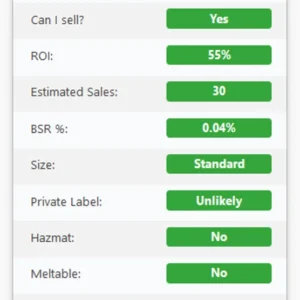
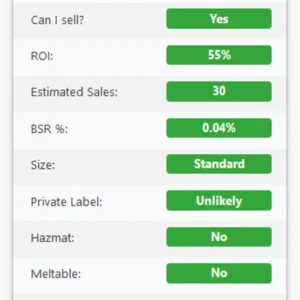
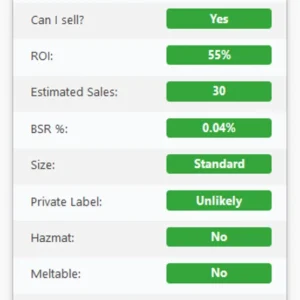
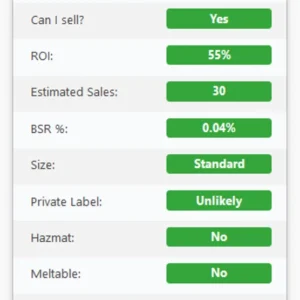
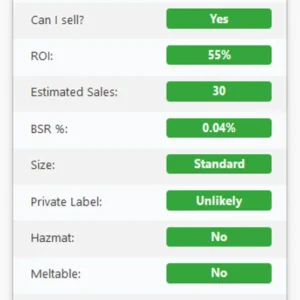
- Product Safety: Is it a "Hazmat" (hazardous material) item or "Meltable"?
Using a tool like the Restrictions and Risk Alerts panel is non-negotiable. It gives you a "green light" or "red light" instantly, saving you from buying stock that will just sit in your garage because you can't list it.

The Real Cost of Selling: Beyond the Purchase Price
One of the biggest mistakes beginners make is failing to account for the "hidden" costs of FBA. If you buy a toy for £10 and sell it for £20, you haven't made £10 profit.
You need to subtract:
- Amazon Referral Fee: Usually around 15% of the sale price.
- FBA Fulfillment Fee: The cost for Amazon to pick, pack, and ship your item.
- Shipping to Amazon: The cost of sending your boxes to the FBA warehouse (UPS or DPD).
- Prep Costs: Polybags, labels, and bubble wrap.
- VAT on Fees: If you aren't VAT registered, Amazon will charge you VAT on their fees!
Always look for a detailed profit breakdown before committing. A deal might look great on the surface but have a "hidden" fuel surcharge or high storage fee that eats your margin.
Sourcing Strategies for the UK Marketplace
The UK has a very different retail landscape than the US. While the US has Target and Walmart, the UK has its own giants.
Top Retailers for OA Sourcing:
- Argos: Great for toys and small electronics.
- Smyths Toys: Excellent for seasonal toy flips.
- Boots & Superdrug: High-volume beauty and health products.
- TK Maxx: A goldmine for "labels for less," but hard to find deep stock.
- Currys: Good for high-ticket electronics, but watch out for brand gating.
Pro Tip: The Power of Cashback and Gift Cards
To maximize your ROI in the UK, never pay full price. Use cashback sites like TopCashback or Quidco. Combine this with discounted gift cards from platforms like Cardyard or your employer's benefit scheme. A 2% cashback plus a 4% gift card discount can turn a mediocre deal into a winner.
Your 2026 Amazon Arbitrage Survival Checklist
To succeed this year, you need to be disciplined. Here is your daily workflow:
- Source with Software: Use FBA Profit Guru to scan retailers and find deals that meet your specific ROI criteria.
- Verify the Data: Check the price history. Is the current price a fluke or a trend?
- Check for Risks: Ensure you aren't gated and that the brand doesn't have a history of IP alerts.
- Calculate Real Profit: Include VAT, shipping, and prep costs.
- Ship Fast: In OA, speed is everything. The faster your stock gets to FBA, the less likely you are to get caught in a price war.
- Reinvest: Take your profits and buy more stock. Compound interest is your best friend.
Ready to Scale Your UK Amazon Business?
The difference between a struggling seller and a "Profit Guru" is the tools they use. You could spend the next eight hours manually searching for deals, or you could let our software do it for you in eight minutes.
At FBA Profit Guru, we’ve built the ultimate toolkit for UK Amazon sellers. From VAT-inclusive calculators to instant IP alerts, we give you everything you need to source with confidence.
Don't leave your profits to chance.
Click here to start your FREE trial of FBA Profit Guru today and start sourcing like a pro. Whether you’re just starting or looking to hit that £90k VAT threshold, we’re here to help you every step of the way.
If you have questions or need help setting up your account, feel free to reach out on our Contact Page or check out our FAQ.
Let’s get those shipments moving!