
Online Arbitrage (OA) in the UK remains one of the most accessible ways to build a high-margin e-commerce business.
However, the days of "buying and hoping" are long gone. To scale in 2026, you need a systematic approach that relies on data, not guesswork.
Scaling is about leverage. It’s about moving from spending 10 hours a day scanning websites to building a process where your tools and team find the gold for you.
If you want to move from a part-time side hustle to a full-time income, follow these five essential steps to master the UK marketplace.
Step 1: Establish Your Tech Stack for Speed
Speed is your biggest competitive advantage in Online Arbitrage. In the UK, high-ROI deals from retailers like Argos, Boots, and B&M vanish in minutes.
You cannot afford to manually calculate fees on every product. You need automated deal analysis that gives you the green light instantly.
Your tech stack should focus on three things: historical data, risk mitigation, and profit accuracy.
- Keepa Integration: Essential for seeing price stability over 12 months.
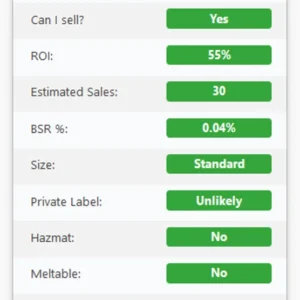
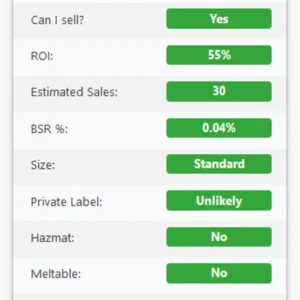
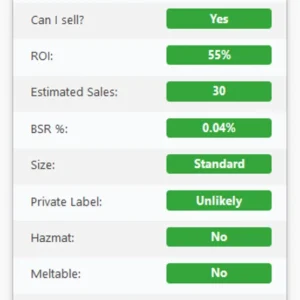
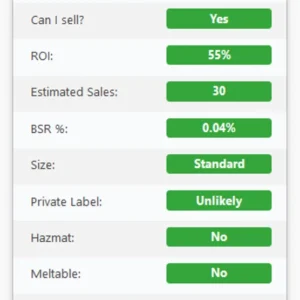
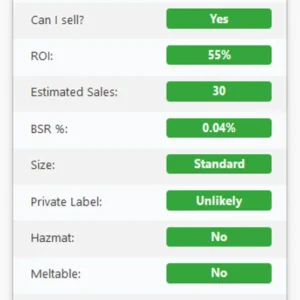
- FBA Profit Guru: Our platform streamlines the entire analysis process. It provides instant visibility into profit, ROI, and estimated sales while automatically checking for brand restrictions and IP alerts.
- A Professional Seller Account: Don't wait until you hit the 40-sale limit. Switch to Professional early to unlock the Buy Box and professional reporting tools.
By centralizing your data, you eliminate the "analysis paralysis" that slows down most beginners.
Step 2: Master Data-Driven Sourcing (Stop Guessing)
The "gut feeling" is a business killer. Every purchase you make must be backed by a 90% or higher confidence score.
When sourcing from UK retailers, you must verify the exact match: not just the brand, but the weight, pack count, and model number. A mismatch leads to costly returns and potential account health issues.

How to analyze a deal in seconds:
- Check Eligibility: Can you actually sell it? FBA Profit Guru checks your eligibility in real-time.
- Verify Risk: Look for Hazmat, Meltable, or Private Label flags. If it's a known IP-heavy brand, walk away.
- Review the BSR (Best Sellers Rank): Aim for products in the top 1% to 3% of their category to ensure fast turnover.
- Analyze the Buy Box: Is Amazon sitting on the listing? If so, are they sharing the Buy Box? Our tool shows you the current Buy Box status immediately.
Maximize your margins by focusing on products that offer at least a 30% ROI and £3 profit per unit after all fees.
Step 3: Dial in Your UK VAT and Fee Calculations
One of the biggest hurdles for UK sellers is navigating the VAT threshold. As of 2026, the threshold is £90,000 in rolling 12-month turnover.
If you are not VAT registered, you cannot reclaim the 20% VAT you pay at retailers. This means your "buy price" is the full shelf price.
However, once you register, you must account for Output VAT on your sales. Failing to factor this into your analysis can turn a "profitable" deal into a loss.

Pro Tip: Use the Marketplace and Fees settings in FBA Profit Guru to toggle your VAT status. This ensures that every calculation you see is tailored to your specific business tax structure.
Key metrics to track:
- Net Profit: What stays in your pocket after Amazon's referral and FBA fees.
- Breakeven Point: The lowest price you can sell at without losing money.
- Inbound Shipping: Never forget the cost of getting your goods to the Amazon warehouse (typically around £0.15 – £0.30 per kg in the UK).
Accurate fee calculation is the difference between a thriving business and a hobby that drains your bank account. Check out our guide on common deal analysis mistakes to avoid these pitfalls.
Step 4: Build a "Replen" Engine
Scaling isn't about finding 1,000 unique items once. It’s about finding 100 items you can buy 10 times a month.
These are called "Replenishables" (Replens). They are the backbone of a scalable OA business.
To build your replen engine:
- Storefront Stalk: Look at what other successful FBA sellers are stocking. If they have high stock levels of a non-seasonal item, it’s likely a replen.
- Set Price Alerts: Use tracking tools to notify you when a retailer drops the price back into your profitable "Buy" zone.
- Diversify Categories: Don't just stick to Toys. Grocery, Beauty, and Home & Kitchen are goldmines for consistent UK replens.

Use a Wishlist or Lead List to track your potential buys. By keeping a database of "almost" deals, you can strike the moment a sale or discount code becomes active.
Step 5: Automate and Outsource (The Scaling Phase)
Once you are making a consistent profit, your goal is to remove yourself from the process.
You cannot scale if you are the one packing every box and scanning every website.
The Scaling Roadmap:
- Use a UK Prep Centre: Instead of products coming to your house, send them straight from the retailer to a prep centre. They handle the inspection, labeling, and shipping to Amazon. This frees up your physical space and time.
- Hire a Virtual Assistant (VA): Train a VA to use your Custom Criteria Settings in FBA Profit Guru. They can scan hundreds of products daily and only present you with deals that meet your exact ROI and profit thresholds.
- Implement a Repricer: Don't manually change prices. A repricer ensures you stay competitive for the Buy Box 24/7, even while you sleep.
Standardize your SOPs. Create a clear checklist for your VA: "Only send deals with >30% ROI, <50,000 BSR, and no IP alerts."

Take Action Today
Mastering Online Arbitrage in the UK is a journey of moving from effort-based income to system-based income.
By using professional tools like FBA Profit Guru, you eliminate the risks that sink most sellers. You gain the clarity to see exactly which products will grow your bank account and which will just sit in a warehouse collecting fees.
Ready to stop guessing and start scaling?
Explore our Ultimate Guide to Online Arbitrage UK and see how our automated tool can save you hours of research every single week.
Start your journey to FBA mastery now.